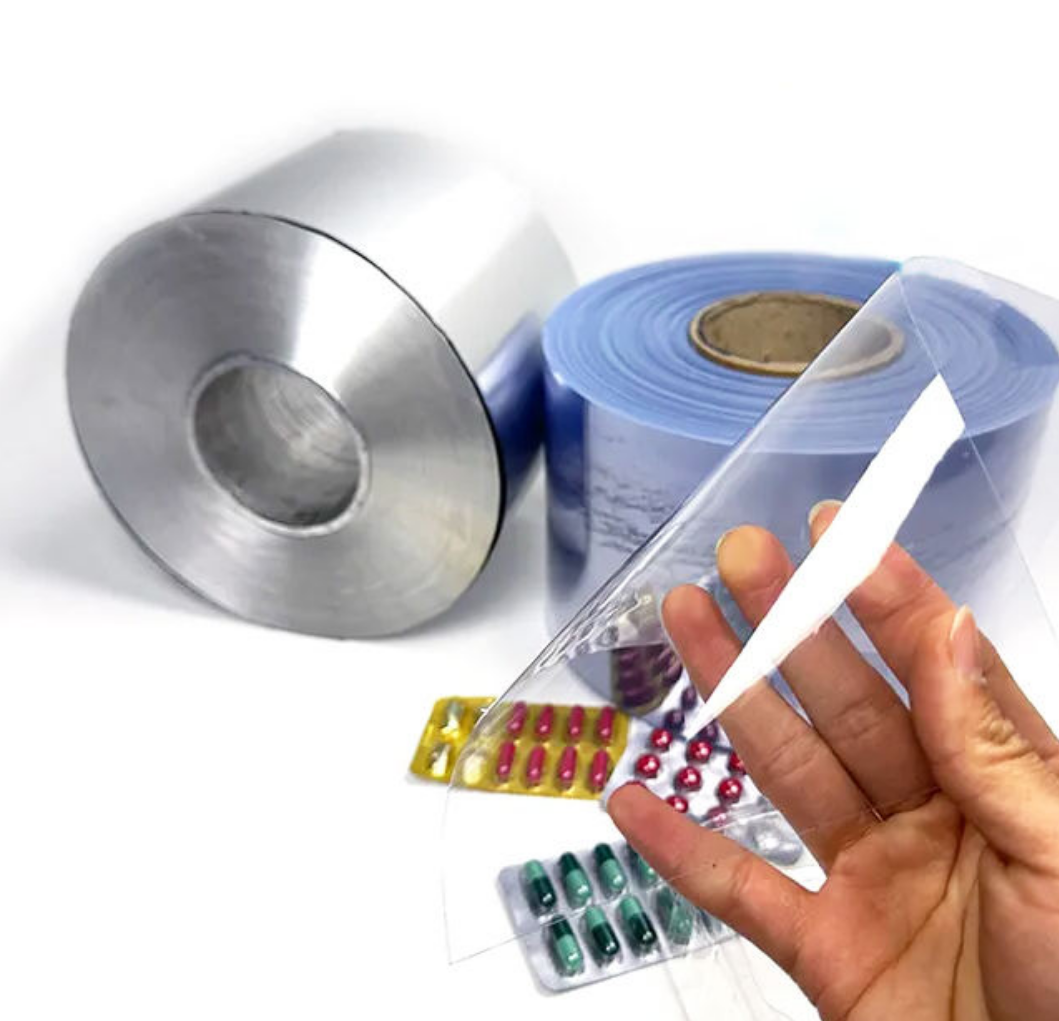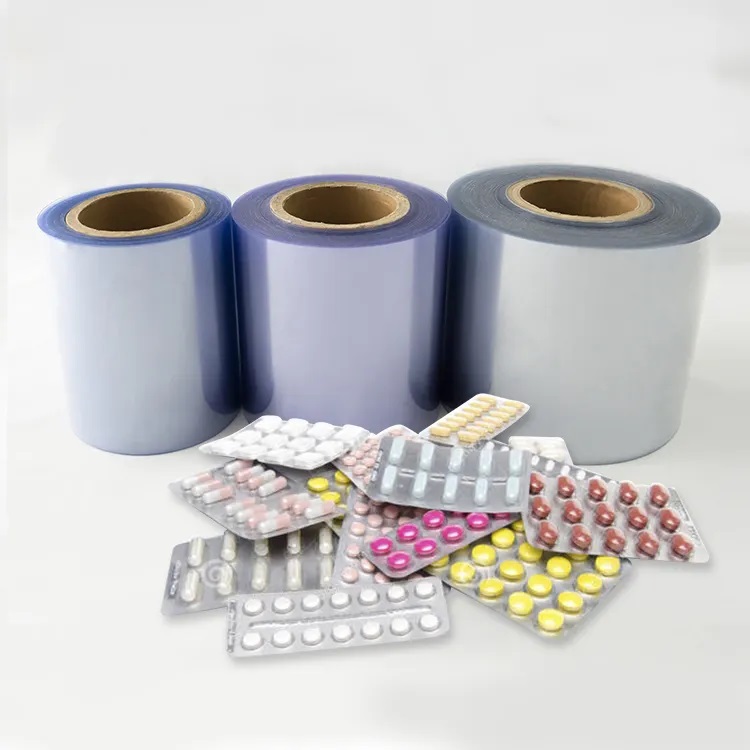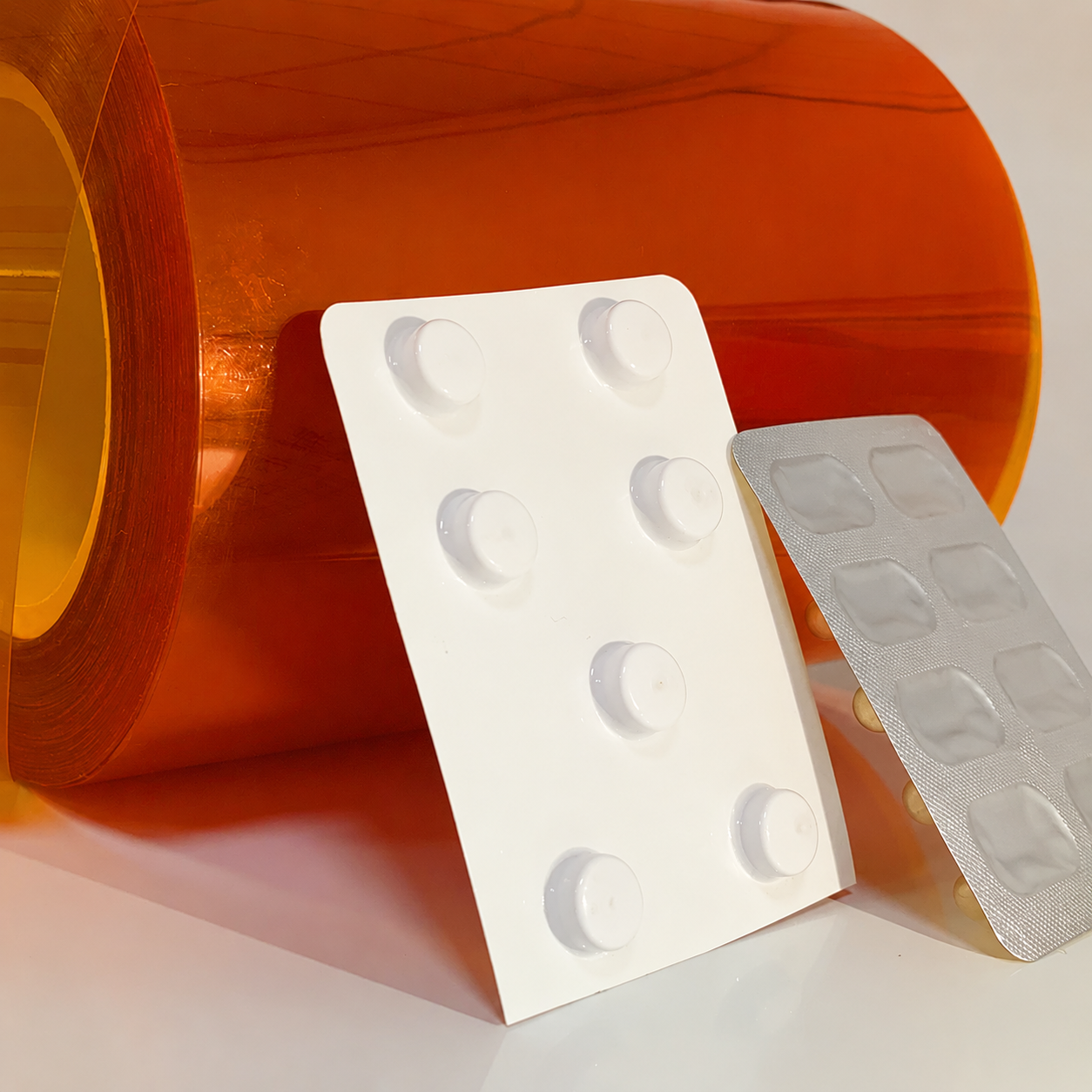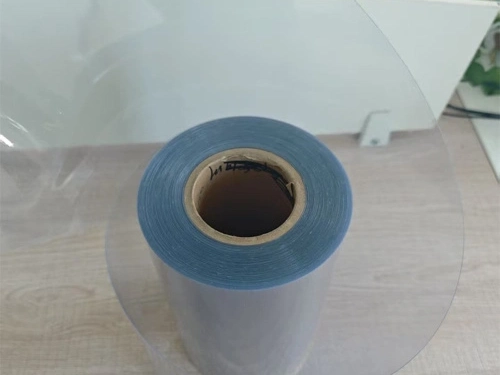

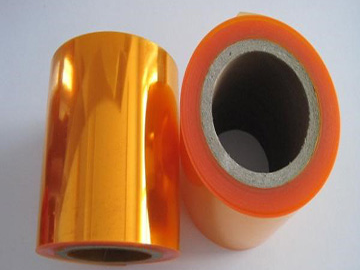
Pharmaceutical PVDC/PVC Laminated Film
PVDC Coating Thickness: 3~10 μm, enhances barrier properties
Tensile Strength (MD/CD): 45~60 / 35~50 MPa
Elongation at Break (MD/CD): 60~100 / 50~90 %
Water Vapor Permeability (WVP): 1~5 g·mm/m²·day (significantly lower than PVC alone)
Oxygen Transmission Rate (OTR): 0.5~2 cm³·m²·day·atm (25°C, 0% RH)
Heat Sealing Temperature: 150~170 °C, suitable for PTP packaging
Thickness: 200~400 μm
Appearance: High transparency, no bubbles, meets pharmaceutical packaging requirements
Product Details
1️⃣ Product Overview
Pharmaceutical PVDC/PVC laminated film is a high-barrier film specifically designed for pharmaceutical packaging. It is made by laminating or co-extruding PVDC (Polyvinylidene Chloride) onto a PVC (Polyvinyl Chloride) base film.
Key Features:
- High barrier properties: moisture, oxygen, and odor resistance.
- Pharmaceutical safety: compliant with pharmacopeia standards (USP, EP).
- Good processability: suitable for heat sealing, forming, and printing.
- Versatile application: tablets, capsules, powders, and oral solids.
2️⃣ Material Composition
- PVC base film: provides mechanical strength and heat-sealability.
- PVDC layer: provides high barrier performance against moisture and oxygen.
- Optional additives: anti-static agents, anti-blocking agents to improve processing.
Typical Structure:
PVDC Coating/Co-extrusion Layer + PVC Substrate
3️⃣ Key Performance Parameters
| Property | Typical Range | Description |
|---|---|---|
| Thickness | 80–350 μm (common 120–250 μm) | Total film thickness |
| Water Vapor Transmission Rate (WVTR) | 0.3–0.6 g/m²·24h (38°C, 90% RH) | High moisture barrier |
| Oxygen Transmission Rate (OTR) | 1–5 cc/m²·24h·atm | Oxidation protection |
| Tensile Strength | ≥30 MPa | Ensures integrity during forming |
| Heat Seal Temperature | 160–180°C | Suitable for sealing to aluminum or PVC blister |
| Appearance | Smooth, transparent or semi-transparent | Printable and visually clear |
Note: Values may vary slightly by supplier; choose based on specific drug packaging requirements.
4️⃣ Technical Features
- Surface Treatment: Optional anti-static, anti-blocking, and printability enhancement.
- Chemical Resistance: Resistant to most conventional oral solid drugs.
- Thermal Resistance: Can withstand short-term high-temperature sealing without PVDC degradation.
- Processability: Suitable for punching, forming, heat sealing, and printing.
5️⃣ Applications
- Blister Packaging: tablets, capsules, powders, oral liquids.
- High-barrier packaging: pharmaceuticals, nutraceuticals, and certain sensitive food products.
- Medical devices or moisture-sensitive materials.
Advantages:
- High barrier → Extended shelf life
- Strong mechanical properties → Ensures packaging integrity
- Excellent processability → Meets pharmaceutical manufacturing requirements