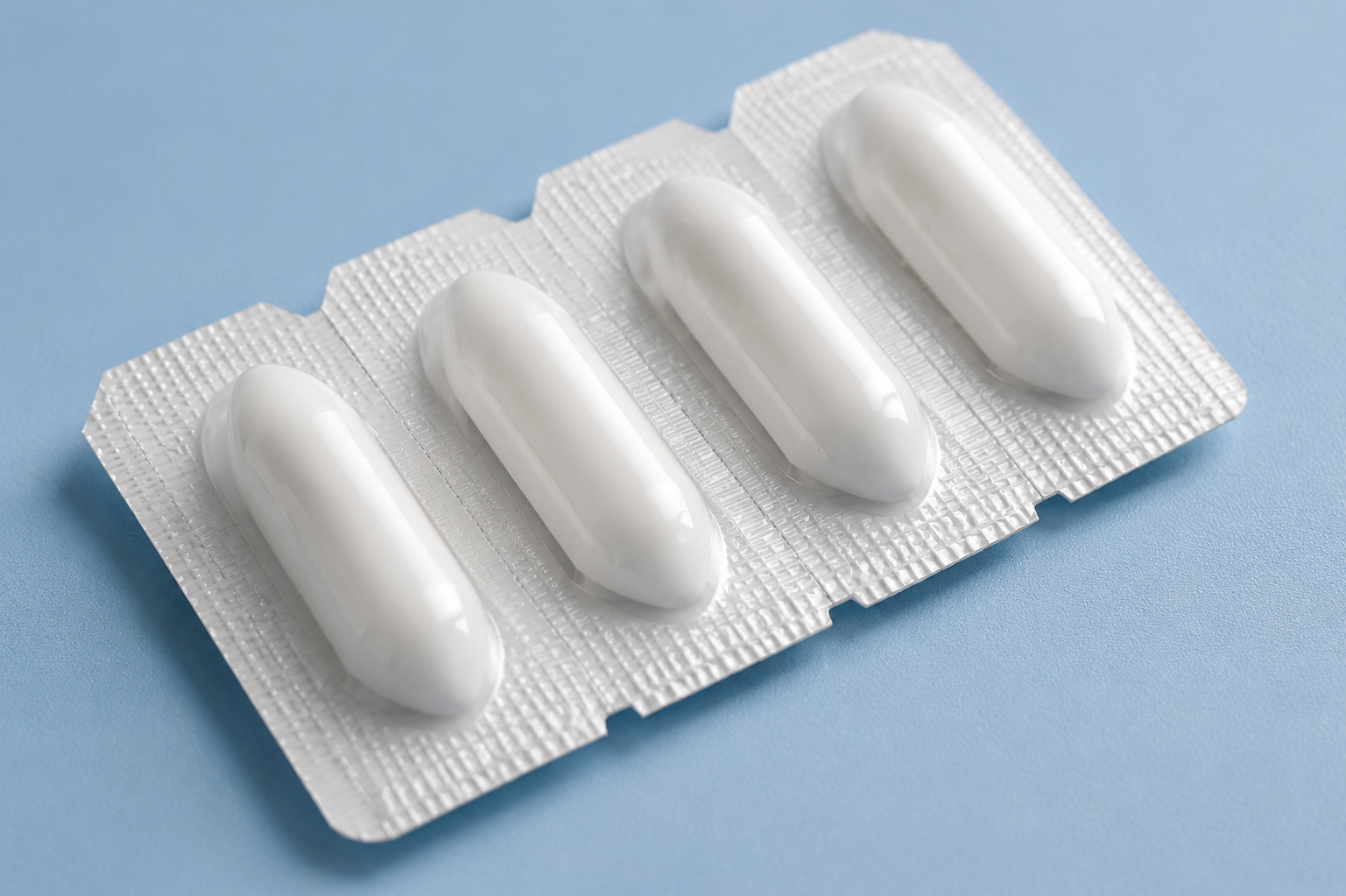
PVC/PVDC Films: The Gold Standard in Pharmaceutical Packaging for Enhanced Drug Protection
News 2022-06-14
– In the highly regulated world of pharmaceutical packaging, PVC (Polyvinyl Chloride) and PVDC (Polyvinylidene Chloride) films continue to set the benchmark for safety, barrier performance, and cost-effectiveness. These materials are widely used in blister packs, cold-form foils, and sterile packaging, ensuring the stability and longevity of sensitive medications.
Why PVC/PVDC Films? Key Benefits
Transparent Pouches: For medical devices and unit-dose packaging.
Superior Barrier Properties
PVDC-Coated PVC: Offers exceptional resistance to oxygen, moisture, and volatile compounds, making it ideal for oxygen-sensitive drugs like antibiotics and cardiovascular medications.
PVC Base Layer: Provides excellent clarity, flexibility, and thermoformability for easy blister packaging.
Regulatory Compliance
Meets FDA, EU, and ICH guidelines for pharmaceutical packaging, ensuring drug stability and patient safety.
Cost-Effective & Versatile
More affordable than high-barrier alternatives like aluminum laminates, while still providing strong protection.
Compatible with automated blister-filling lines, improving production efficiency.
Wide Range of Applications
Blister Packs: Dominates the market for tablets, capsules, and oral solid doses.
Cold-Form Films: Used for hygroscopic and light-sensitive drugs (e.g., nitroglycerin).
Sustainability & Future Innovations
While PVC/PVDC films are not inherently recyclable, the industry is advancing:
- Reduced PVDC Usage: Thinner coatings without compromising barrier performance.
- Alternative Materials: Development of chlorine-free barrier layers (e.g., SiO₃ coatings).
- Eco-Friendly PVC: Bio-based plasticizers and recyclable PVC formulations in testing.
Market Outlook
The global demand for PVC/PVDC films is projected to grow at 5.2% CAGR (2024–2030), driven by the rise in chronic diseases and generic medications. Leading pharmaceutical companies continue to rely on these materials due to their proven performance and cost efficiency.